Teaches every live session
A children's illustrator or author
Makes children’s books for a living, and is background-verified. Named here before the first batch. Each child also gets one-to-one time with a mentor.
A finished book with their name on the coverThe stories in their head, made into their own bookThey love reading books. Now they write one.Eight weekends of making a book, not scrollingWeek 2: Nani’s stories. Week 8: their own book.
You hear the fee on a 20-minute call, before you decide. Full refund within 7 days of the first session.
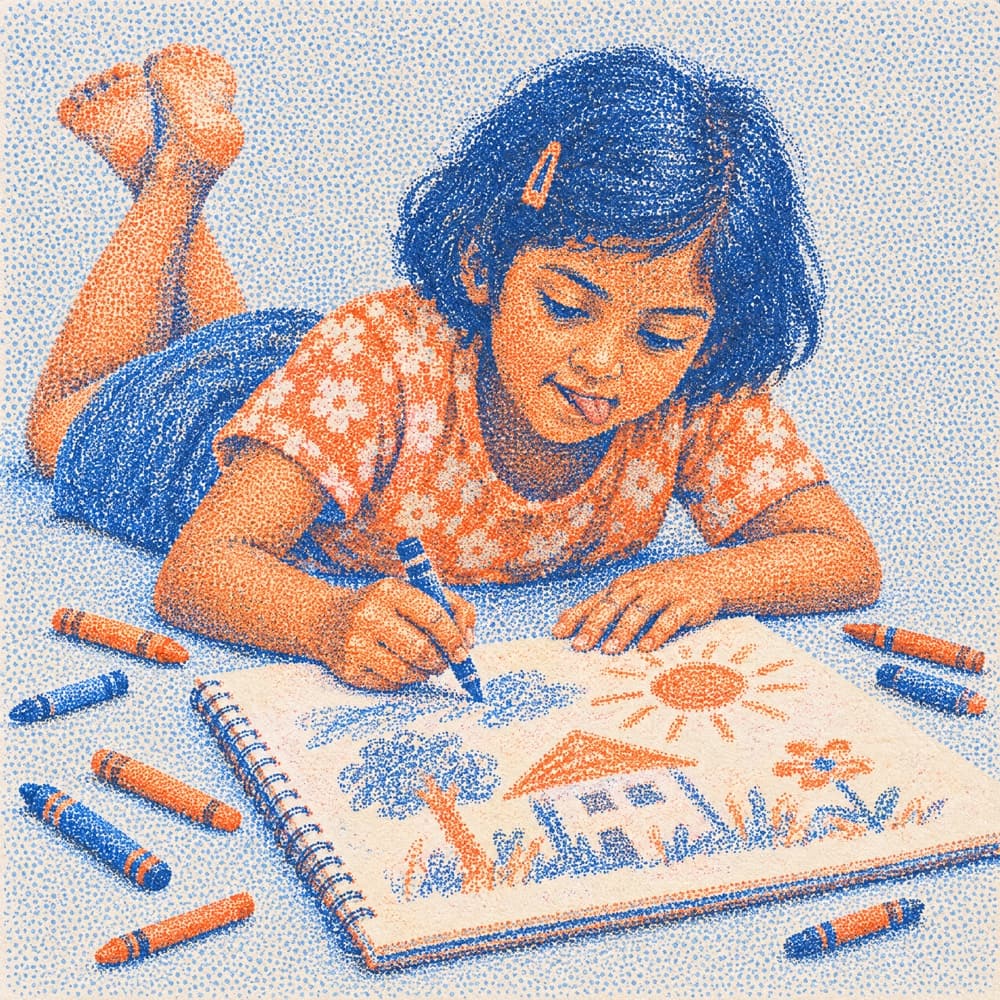
Your child writes and draws 8–12 illustrated pages, taught live by a children's illustrator or author. A panel of published authors and illustrators grades the book.Live sessions run 60–120 minutes. Most of the work between them happens off screen, writing and drawing 8–12 illustrated pages.In week 2 your child collects stories from grandparents and relatives, and can build the book on one. By week 8 it is 8–12 illustrated pages with their name on the cover.
Creative Thinking & Storytelling is an 8-week live online creative writing and storytelling course for ages 8–11 in which each child writes and draws an 8–12 page illustrated book with their name on the cover.
Children start stories all the time: in a notebook, at dinner, in their heads. Few finish one. Here your child plans, writes, draws and finishes a whole book.
26%more words known at 14 by children who read for fun every day than by those who never do.
UCL Centre for Longitudinal Studies, 2017; nearly 11,000 UK teens (12% after other factors)
Most of the work between sessions happens off screen.
3×as likely to have high mental wellbeing: children most engaged with reading and writing, against the least.
National Literacy Trust, 2018; 49,047 UK children aged 8–18
Ashoka asks every applicant for three personal essays, and one more written on the spot in 30 minutes.
56%of US colleges give the application essay moderate or considerable weight.
NACAC admission survey, Fall 2023
Planning a story, drafting it and fixing it after feedback is how a child learns to organise their own ideas. A chatbot can’t do that part for them.
For ages 8–11. Start at 9, and your child has eight years of practice before the first college essay.
Apply now 2 minutes · no paymentNext to each is the week that works on it.
Seen two or more?
Apply now 2 minutes · no paymentDrag a page by its edge, or tap it. The note under the book says which week made each part.
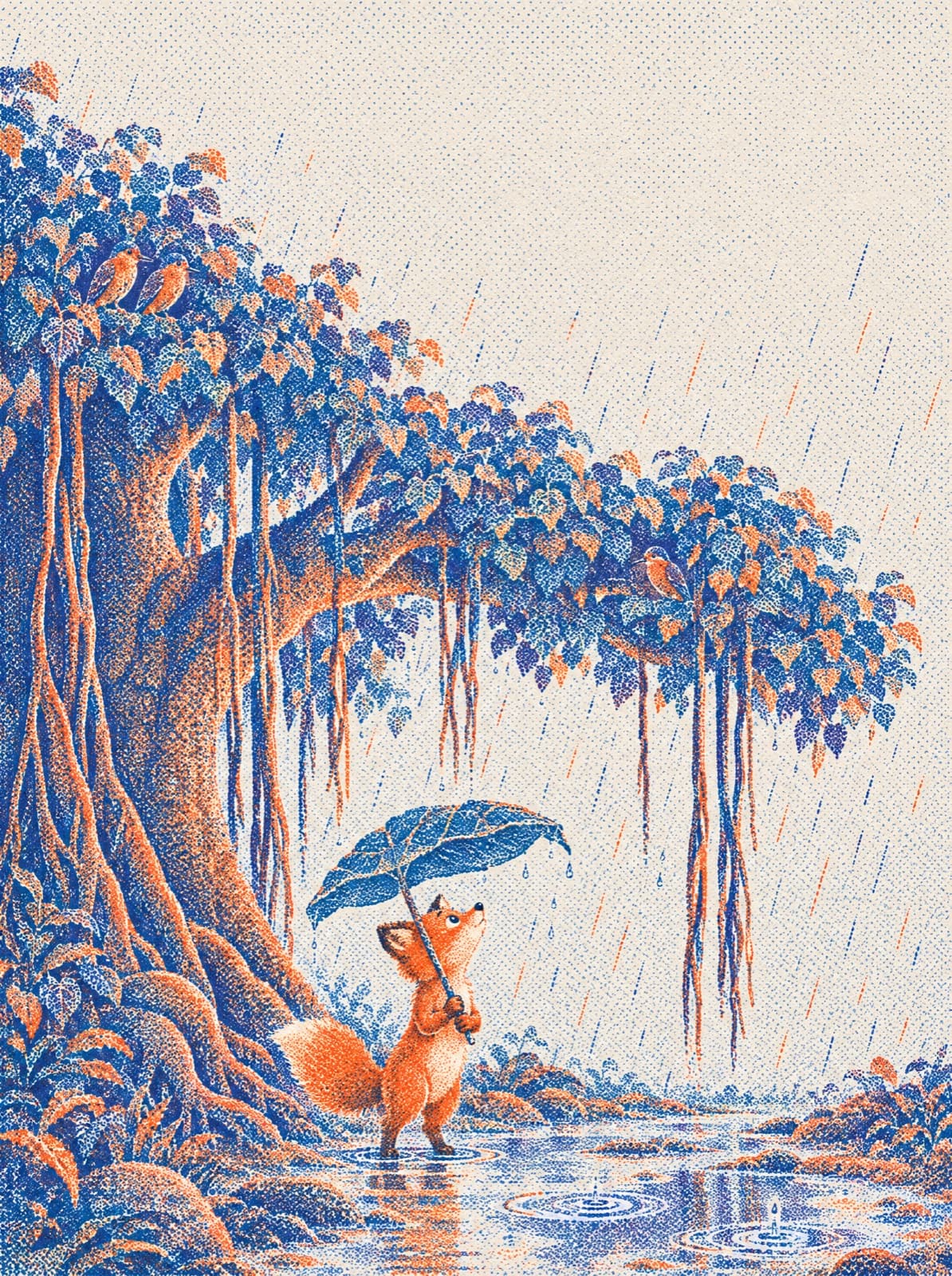
Tara Keeps the Rain
by Meera, age 9
Written and drawn by
Meera
age 9
For Paati, who told me about the year the rain came late.
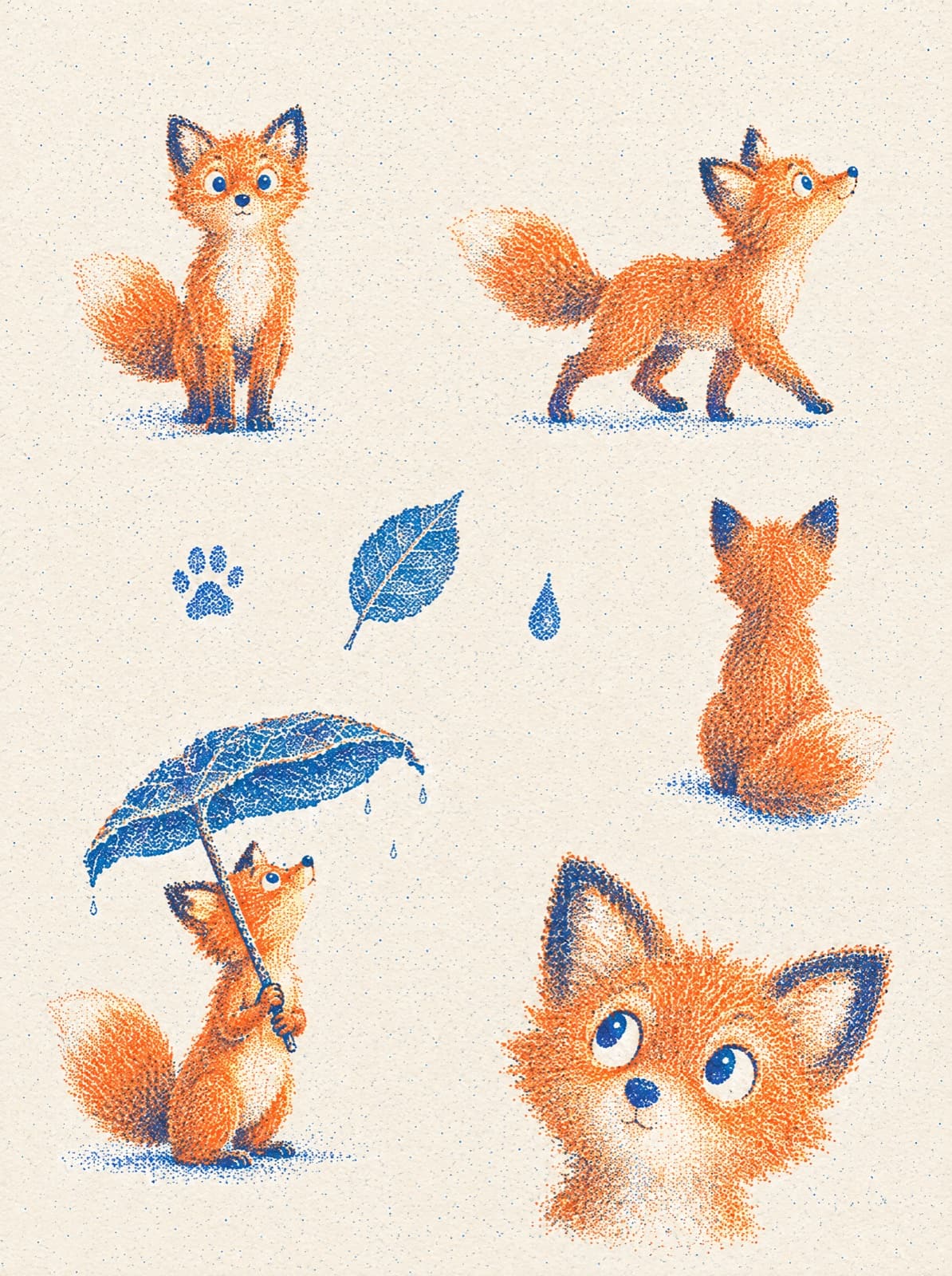
Tara, a fox. Wants to cross the river. Fears thunder.
3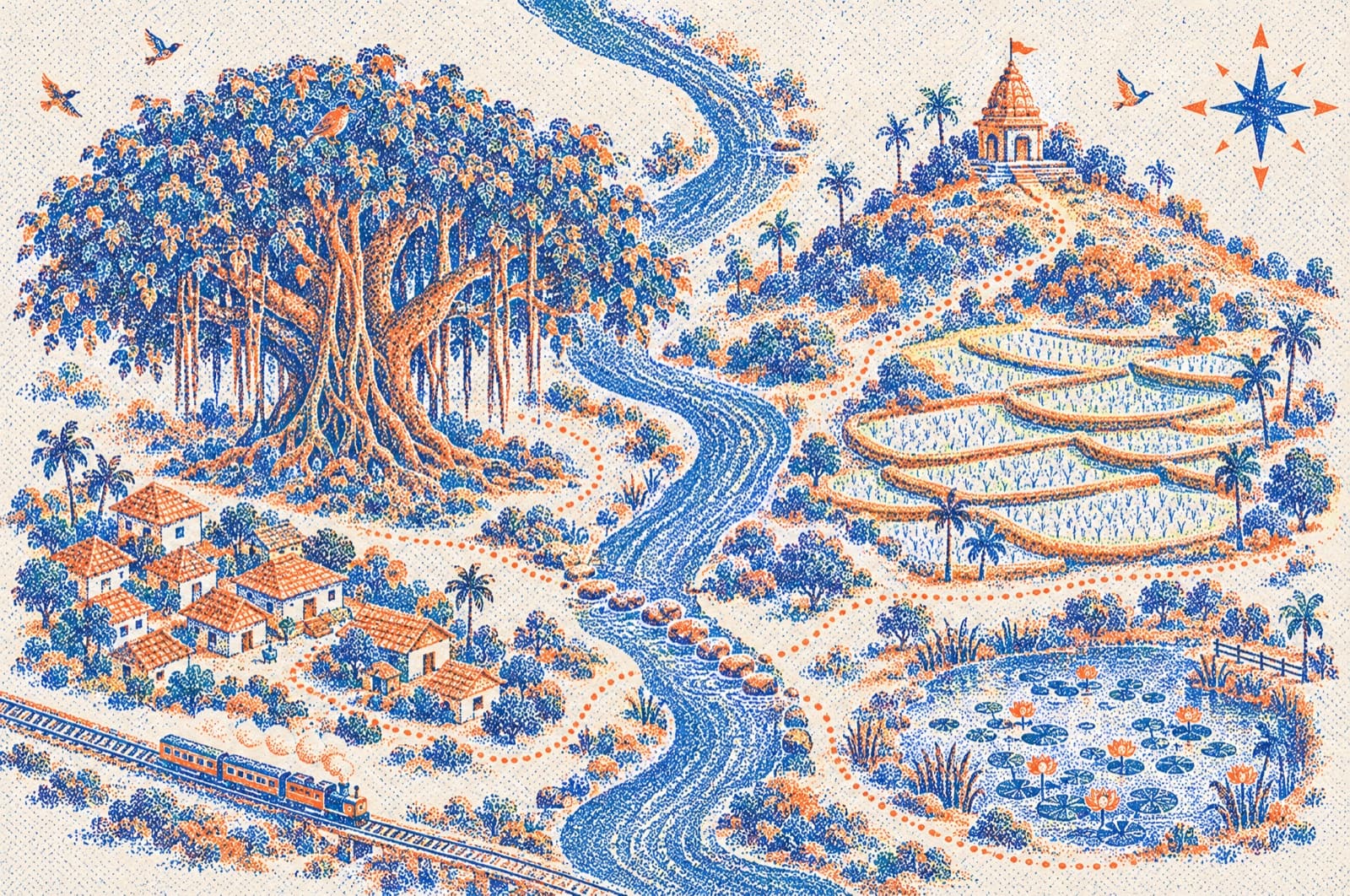
Banyan Bend
Tara’s house
Hill temple
Lotus pond
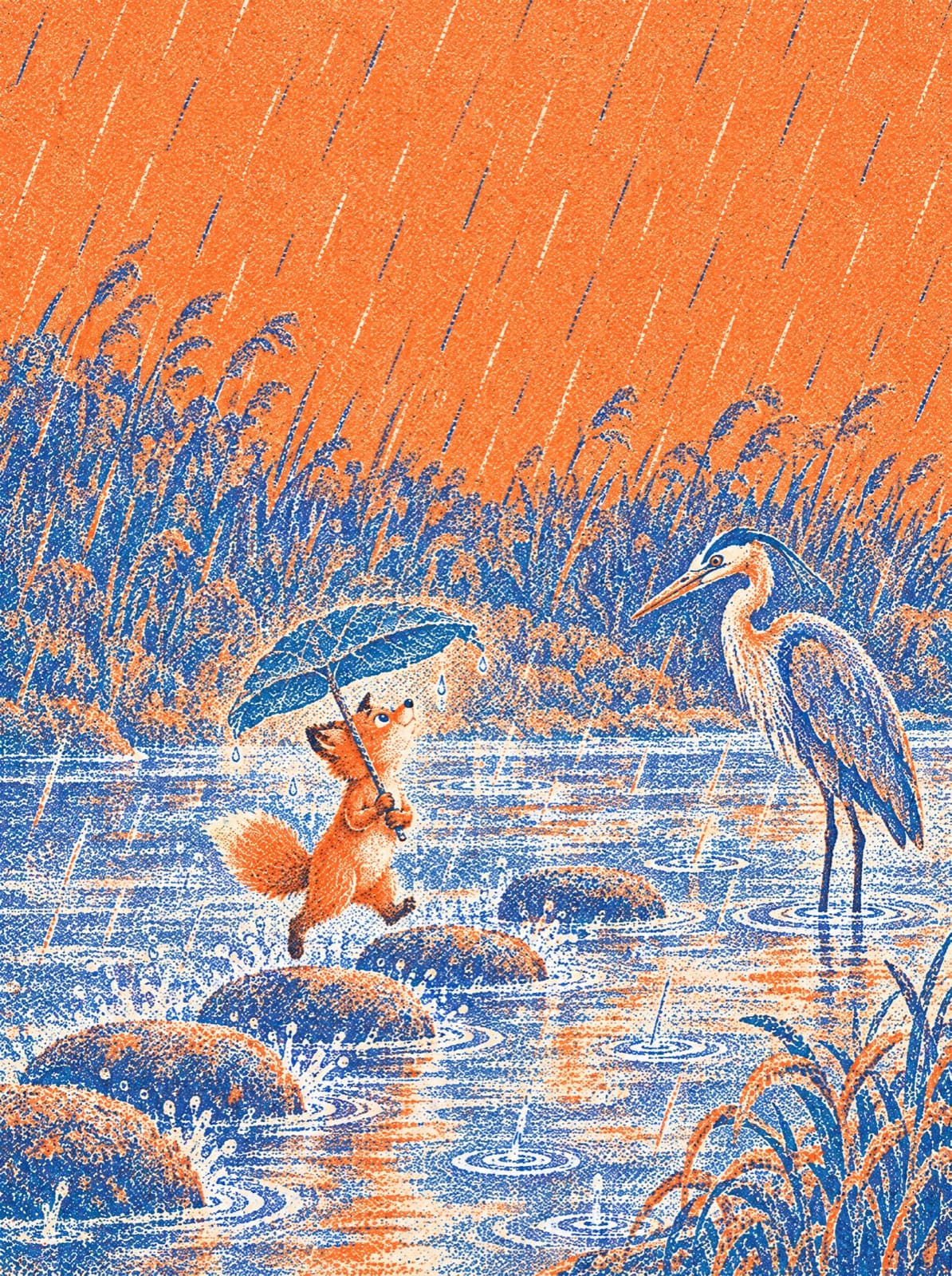
Tara was halfway across when the first drop fell. Then a hundred more.
The river woke up and began to roar.
“Hop, and don’t look down,” said the heron. “And hold on to that leaf.”
About the author
Meera is 9. This book took eight weeks: a family story, a hero, a map, every page and this cover.
Sample book
The cover Week 8Drawn last, once they know what the story is about.
It stays on this page. We don’t save it or send it anywhere.
Weekend live sessions of 60–120 minutes, then one short task at home, mostly off screen. Each session has a short lesson, a live demo by the faculty and practice with feedback by name, for ages 8–11,up to 10 in a group. Eight weeks, one book.
Where stories come from. Idea games and a first character.
A week collecting stories from grandparents and relatives.
What each character wants and fears. Character sheets.
A world map, a setting and the senses on the page.
Beginning, middle and end, conflict, and a storyboard.
Writing the pages: voice and dialogue.
Illustrations, feedback and a second draft.
Final pages, the cover, and reading it aloud.
Final Review
8–12 illustrated pages with their name on the cover, and an author trailer.
Teaches every live session
A children's illustrator or author
Makes children’s books for a living, and is background-verified. Named here before the first batch. Each child also gets one-to-one time with a mentor.
Judges the Final Review
A panel of published authors and illustrators
Each child shows their finished book live to the panel, which grades it Distinction, Merit or Pass against the rubric you get in week one. You watch online.
Whatever the grade, the book is theirs.
This certifies that
Meera
completed Creative Thinking & Storytelling and was graded
Distinction
at the Final Review, before a panel of published authors and illustrators
Your child works with the faculty. You still know what happened each week.
You hear the fee on a 20-minute call, before you decide. Full refund within 7 days of the first session.
AI in this cohortFaculty show on screen how AI can help with sketching. No child has an AI account.
Nothing to pay to apply. A counsellor tells you the fee after your child’s profile, before you decide.
2 minutes
Your child’s age, your names and your WhatsApp number.
30 minutes, free
Your child does it now or at a time you pick. Not an IQ test.
20 minutes
We go through the report, tell you the fee and any scholarship, and say plainly whether this cohort fits or another one does.
Pay by link only if you want it. Full refund within 7 days of the first session.
Top 10% of each age band earn a merit scholarship.
First batch February 2027 · Up to 10 in a group, all aged 8–11
You hear the fee on a 20-minute call, before you decide. Full refund within 7 days of the first session.
Applying is free. A counsellor shares the fee on a 20-minute call after your child’s free Strengths Profile, before you decide. The top 10% of each age band earn a merit scholarship.
Tell us within 7 days of the first session and we refund the full fee. That first week is your trial.
No. There is one call: the 20-minute session, at a time you pick. Everything else comes on WhatsApp, and if you say stop, we stop.
Yes, at their own level. The faculty plan the book with your child week by week, so the last page arrives in week 8. A picture book tells much of its story in pictures.
Often, yes. Week 1 is idea games and a character, not sentences. Drafting comes in week 6, once the story is planned, and a page may need only a line or two.
No. They draw in their own style. A children’s illustrator or author teaches them to draw a character from every side and to map a world. Faculty also show on screen how AI can help with sketching.
We can’t promise marks. Your child will plan, draft, take feedback and write a second draft, which is what school composition asks for.
Tell the counsellor before you join if you know a weekend won’t work; they will tell you plainly whether this batch suits you. Every child also has one-to-one time with a mentor, outside the group sessions.
One that can join a live video call; a laptop or tablet shows the faculty’s drawings larger than a phone. Cameras are encouraged, never required. Most of the work between sessions happens off screen.
A children's illustrator or author, who makes children’s books for a living and is background-verified. They are named here before the first batch. Each child also gets one-to-one time with a mentor.
Up to 10 in a group, all aged 8–11.
Yes. The live sessions are online, at weekends, 60–120 minutes each. Most of the work between them happens off screen, and you watch the Final Review online.
Faculty show on screen how AI can help with sketching. No child has an AI account.
Yes. A panel of published authors and illustrators grades the book Distinction, Merit or Pass, against the rubric you get in week one. Whatever the grade, the book is theirs, with a graded certificate.
Another question? Ask us on WhatsApp
First batch February 2027. Ages 8–11, up to 10 in a group. Eight weekends, then a book of 8–12 illustrated pages with their name on the cover.
You hear the fee on a 20-minute call, before you decide. Full refund within 7 days of the first session.
Compare all four cohorts